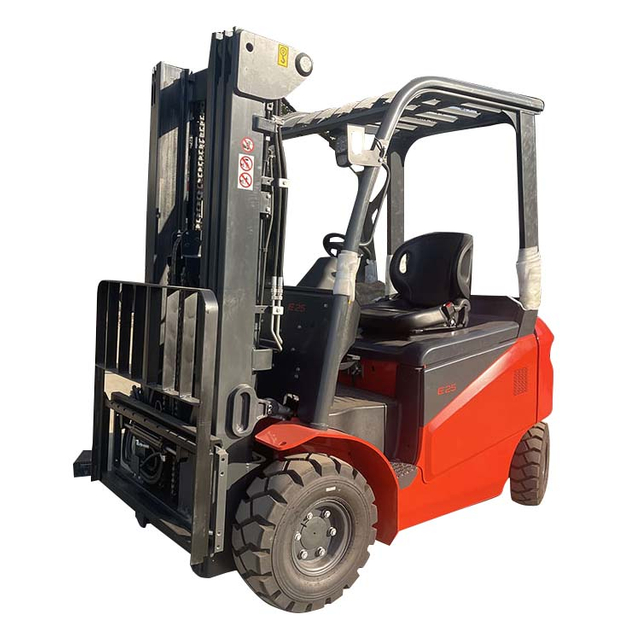
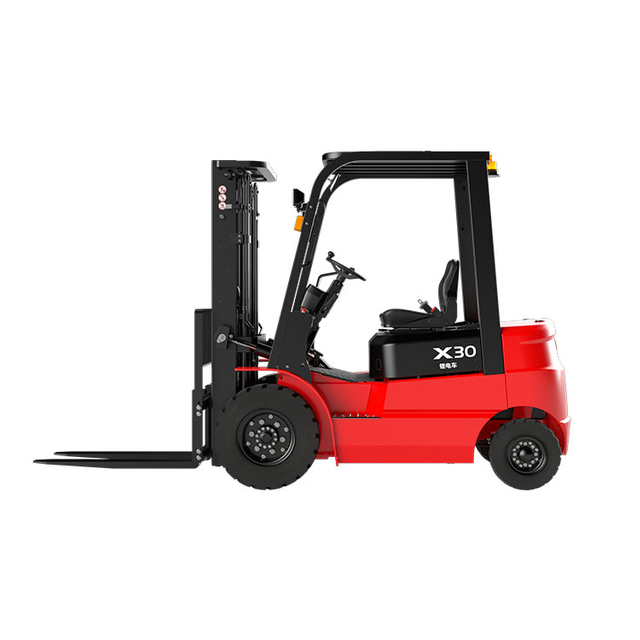
Forklifts play a crucial role in material handling across industries, enabling the movement of heavy loads efficiently. There are two main types: Electric Forklifts and Internal Combustion (IC) Forklifts. In this article, we'll focus on what "IC" means in forklifts, specifically its fuel types and engine mechanics. You'll learn how IC forklifts differ from electric ones and when each is best suited for different applications.
What Does IC Stand for in Forklifts?
Defining IC in Forklifts
The abbreviation "IC" stands for Internal Combustion. This type of engine, commonly found in forklifts, relies on fuel combustion to generate mechanical energy. Internal combustion engines (ICE) operate by igniting a mixture of fuel and air inside the engine, creating controlled explosions that produce power. This energy is then used to drive the forklift's wheels, allowing it to lift and transport heavy loads with ease. IC forklifts are commonly used in a wide range of industries, including warehousing, construction, and manufacturing, thanks to their power, efficiency, and ability to handle tough jobs in both indoor and outdoor environments.
Types of Fuels Used in IC Forklifts
IC forklifts typically use one of four types of fuel: Diesel, LPG (Liquefied Petroleum Gas), Petrol, and CNG (Compressed Natural Gas). Each of these fuel sources comes with distinct characteristics, making them suitable for different applications and environments.
● Diesel: Diesel fuel is known for its high energy output, making it ideal for heavy-duty tasks and long operating hours. Diesel-powered forklifts excel in outdoor environments, where power and endurance are required to handle rugged conditions, such as construction sites, lumber yards, and large-scale manufacturing operations.
● LPG (Liquefied Petroleum Gas): LPG is a cleaner-burning fuel compared to diesel and is often used in indoor environments due to its low emissions. While it still provides solid power for heavy lifting, its environmental benefits make it a preferred choice in settings where air quality is a concern, like warehouses, food processing facilities, and retail distribution centers.
● Petrol (Gasoline): Petrol-powered forklifts are typically used in smaller applications where high power is not as critical. These forklifts are less common today but are still found in some smaller or lighter-duty forklifts. They are typically used in areas where quick and easy refueling is required for short shifts or limited usage.
● CNG (Compressed Natural Gas): CNG is an environmentally friendly option that burns cleaner than diesel and petrol. With fewer emissions, it’s becoming an increasingly popular choice for businesses looking to reduce their carbon footprint. CNG-powered forklifts are especially suitable for companies that want to improve their sustainability without sacrificing forklift performance.
Each fuel type provides specific performance benefits. Diesel and LPG forklifts generally offer higher load capacities and longer operating times, which makes them better suited for outdoor and heavy-duty applications. CNG is an excellent alternative when businesses aim to lower their environmental impact, but it may be less common for very heavy applications due to its slightly lower power output.
How IC Engines Work in Forklifts
Internal combustion engines in forklifts work through a series of steps to convert fuel into usable mechanical power:
1. Fuel Intake: The forklift’s fuel (whether it’s diesel, LPG, petrol, or CNG) is mixed with air and drawn into the combustion chamber.
2. Compression: The fuel-air mixture is compressed by the engine's pistons to prepare for ignition.
3. Ignition: A spark plug ignites the compressed fuel mixture, causing a small explosion inside the chamber.
4. Power Stroke: The explosion generates high-pressure gases, forcing the piston to move. This movement drives the crankshaft, turning the wheels of the forklift.
5. Exhaust: The exhaust gases are expelled through the exhaust valve, and the cycle begins again.
The primary advantage of IC forklifts is their ability to run continuously without needing frequent downtime. Refueling takes only a few minutes, which makes IC forklifts particularly advantageous in high-demand operations and multi-shift environments. They are ideal for industries where productivity is key, and there’s a need for longer working hours without interruptions.
However, IC engines have downsides. The internal combustion process generates emissions, such as carbon monoxide and nitrogen oxides, which can degrade air quality in poorly ventilated areas. This can be a significant drawback in indoor settings. Moreover, IC forklifts require more maintenance due to their complex mechanics, which includes regular checks on spark plugs, filters, oil, and other engine components.
Despite these challenges, IC forklifts are favored in outdoor environments and large-scale operations where they can maintain high productivity levels. Their ability to work long hours without requiring a recharge (unlike electric forklifts) makes them a staple in heavy-duty applications. However, in indoor settings, businesses often consider alternatives, like electric forklifts, to reduce emissions and maintenance costs.

IC Forklifts vs Electric Forklifts: Key Differences
Fuel Source and Efficiency
Electric forklifts run on rechargeable batteries, which are efficient for indoor use. They have zero emissions and lower operating costs, but they require regular charging. The downside is the potential for downtime when charging is needed, especially for multi-shift operations.
IC forklifts, on the other hand, are powered by fuels like diesel, propane, or CNG. They have a higher fuel consumption but can run longer without needing a break for refueling. This makes IC forklifts more suitable for outdoor use, especially when long operating hours are required.
Feature | Electric Forklifts | IC Forklifts |
Power Source | Battery (requires charging) | Diesel, LPG, CNG, or Petrol (refuel quickly) |
Emissions | Zero emissions | High emissions (carbon monoxide, etc.) |
Efficiency | High efficiency, especially indoors | Lower efficiency, but higher fuel availability |
Charging/Refueling Time | Longer charging time | Quick refueling (minutes) |
Operational Environment
IC forklifts excel in outdoor environments and heavy-duty tasks. They are perfect for large warehouses, construction sites, and areas where high lifting capacity and rugged terrain are common. They are also the go-to for operations needing continuous usage, as they can be quickly refueled between shifts.
Electric forklifts are designed for indoor use due to their low emissions and quieter operation. They are well-suited for environments like retail warehouses or food distribution centers, where cleanliness and environmental considerations are important. However, electric models may face limitations when used outdoors, especially in wet conditions.
Cost Considerations
When comparing upfront costs, IC forklifts tend to be more affordable than electric forklifts. They are easier to purchase, which is why they appeal to businesses looking to minimize initial expenses. However, the long-term costs can add up.
Electric forklifts may cost more initially, but their Total Cost of Ownership (TCO) tends to be lower over time. This is because they require less maintenance, have fewer moving parts, and are cheaper to fuel. The higher efficiency of electric forklifts can save money in the long run.
Tip: If you're working in an environment with frequent outdoor usage and large capacities, IC forklifts may be the better choice. For indoor applications focused on reducing emissions and noise, electric forklifts are ideal.

Advantages of IC Forklifts
Versatility in Usage
IC forklifts are incredibly versatile, making them suitable for both indoor and outdoor environments. They are commonly used in warehouses, distribution centers, and construction sites. Whether it’s a smooth indoor surface or rough outdoor terrain, IC forklifts can handle it with ease. Their ability to work on uneven ground and in harsh conditions sets them apart from electric models, which are typically limited to indoor use.
Speed of Refueling and Longer Operation Times
One of the biggest advantages of IC forklifts is the speed at which they can be refueled. Unlike electric forklifts, which need charging time and downtime, IC forklifts can be back in action within minutes. This quick refueling capability makes them ideal for multi-shift operations where uptime is crucial. As a result, IC forklifts provide long operational hours without interruption.
Feature | IC Forklifts | Electric Forklifts |
Refueling/Charging Time | Quick refuel in minutes | Long charging time required |
Operational Hours | Can run longer without downtime | May require battery swaps or recharges |
Uptime | High uptime | Limited by charging times |
Cost Efficiency in High-Demand Applications
IC forklifts shine in heavy-duty applications where high lifting capacity and durability are essential. For industries like brick and lumber yards, IC forklifts can handle the rough work without issue. While the initial purchase cost may be lower than electric forklifts, the high uptime and reliability in demanding tasks make IC forklifts more cost-efficient in the long run for businesses with constant heavy-duty needs.
Challenges and Drawbacks of IC Forklifts
Maintenance Demands
One of the main challenges of IC forklifts is the higher maintenance requirements. Internal combustion engines have many moving parts, which means more frequent inspections and repairs. Components like spark plugs, belts, and filters need regular attention. Over time, this can lead to higher costs compared to electric forklifts, which have fewer parts that wear out.
Additionally, fuel costs for IC forklifts are higher in the long run. While they are cheaper to refuel compared to charging an electric forklift, the price of diesel, propane, or gasoline can add up over time, especially with frequent usage. This is something businesses need to consider for long-term budgeting.
Maintenance Factor | IC Forklifts | Electric Forklifts |
Maintenance Frequency | More frequent | Less frequent |
Parts & Components | More moving parts to repair | Fewer moving parts to maintain |
Long-Term Fuel Costs | Higher fuel costs | Lower operating costs (electricity) |
Environmental Impact
IC forklifts produce emissions, including carbon monoxide, nitrogen oxides, and particulate matter. These emissions can degrade air quality, especially in indoor environments without adequate ventilation. Businesses using IC forklifts must consider the health impacts on workers and the environment, particularly in regions with strict air quality regulations.
Noise pollution is another downside of IC forklifts. Their engines are typically louder than electric forklifts, which can contribute to hearing loss and other health issues in noisy workplaces. Reducing noise levels and improving operator comfort is a key consideration when choosing forklifts.
Choosing Between IC and Electric Forklifts: A Decision-Making Guide
When to Choose IC Forklifts
IC forklifts are the best option for outdoor and heavy-duty tasks. They are ideal for industries like construction, agriculture, and lumber yards, where the terrain is rough and the load capacity is high. If your operation requires long hours of continuous work and frequent refueling, IC forklifts offer a practical solution. Their quick refueling and high uptime make them perfect for multi-shift operations in large facilities or outdoor environments.
Application Type | IC Forklifts | Electric Forklifts |
Terrain Type | Rough, outdoor, uneven | Smooth, indoor |
Load Capacity | Heavy-duty tasks | Lighter duties |
Operation Time | Long shifts, quick refueling | Limited by battery life |
When Electric Forklifts Make More Sense
Electric forklifts are best suited for indoor operations where reducing emissions and noise is a priority. If your business operates in a warehouse, retail center, or food distribution facility, electric forklifts are the clear choice. They have zero emissions, are quieter, and provide a cleaner environment for workers. Additionally, with fewer moving parts, electric forklifts require less maintenance, making them more cost-effective in the long run for indoor use.
Balancing Efficiency, Cost, and Environmental Impact
Choosing between IC and electric forklifts often comes down to a balance of efficiency, cost, and environmental considerations. IC forklifts tend to be more cost-effective upfront, especially for heavy-duty outdoor tasks. However, their higher fuel and maintenance costs can add up over time. Electric forklifts may have higher initial costs, but their lower operating costs and reduced environmental impact can make them more cost-effective in the long run. Businesses need to consider their specific needs, budget, and the environmental regulations in their area.
Conclusion
IC forklifts play a crucial role in material handling, especially in outdoor and heavy-duty tasks. They offer high power, versatility, and long operational hours, making them ideal for industries like construction and warehousing. However, they come with higher maintenance and fuel costs. When choosing between IC and electric forklifts, consider factors like the operational environment, fuel efficiency, and long-term costs. For businesses in need of reliable, high-performance forklifts, Handavos offers a range of solutions designed to meet diverse operational needs, providing efficient and durable forklifts to help enhance productivity.
FAQ
Q: What does IC stand for in forklifts?
A: IC stands for Internal Combustion. It refers to forklifts powered by fuels like diesel, LPG, or petrol to generate mechanical power for lifting and moving heavy loads.
Q: How do electric forklifts compare to IC forklifts?
A: Electric forklifts use rechargeable batteries, making them more energy-efficient and environmentally friendly. IC forklifts, however, offer longer operational hours and are better suited for heavy-duty outdoor tasks.
Q: Why choose an IC forklift over an electric forklift?
A: IC forklifts are ideal for outdoor environments, heavy-duty tasks, and continuous operation. They offer high power and quick refueling, making them suitable for industries like construction and warehousing.
Q: Are electric forklifts more cost-effective than IC forklifts?
A: Electric forklifts may have a higher initial cost, but they typically offer lower long-term maintenance and fuel costs, making them more cost-effective in indoor, light-duty environments.