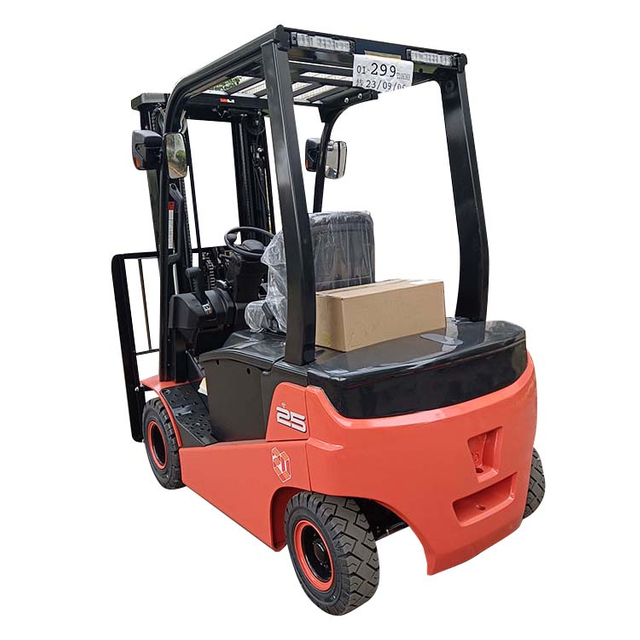
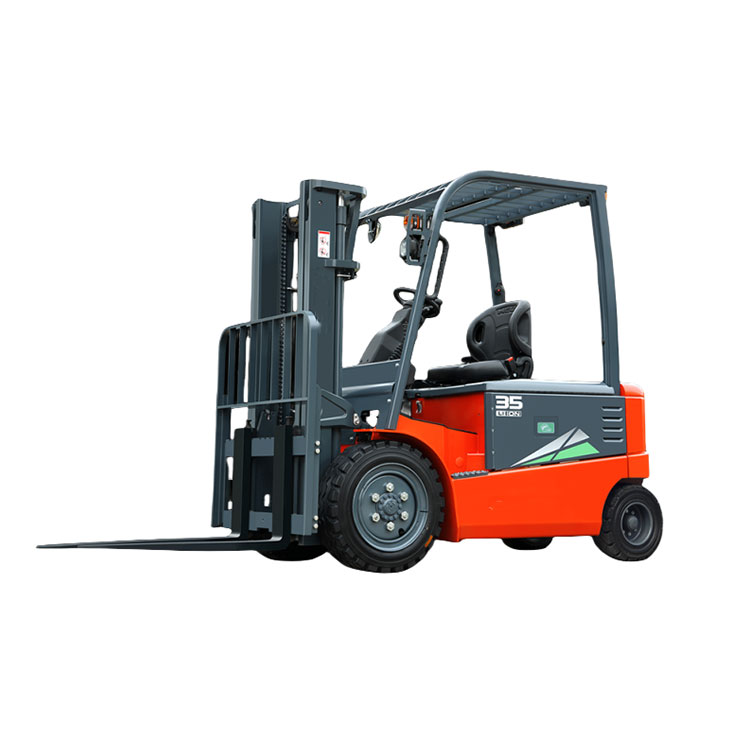
As warehouses and logistics operations face labor shortages, the need for automation is growing rapidly. Automated forklifts are becoming a key solution to boost efficiency and reduce costs. In this article, we'll explore the cost of automated forklifts, from initial purchase prices to long-term expenses. You'll also learn how these investments can improve safety and productivity in your business.
Understanding the Price Range of Automated Forklifts
Automated forklifts come in a wide range of prices, depending on their features and capabilities. The cost varies based on the model, technology, and specific needs of the business.
Entry-Level vs. Mid-Range vs. High-End Models
● Entry-Level Models: These forklifts are the most affordable, typically priced between $50,000 and $80,000. They are suitable for basic tasks like pallet moving and are less complex in terms of automation features.
● Mid-Range Models: These range from $80,000 to $150,000. They offer more advanced navigation systems, improved payload capacity, and greater lifting heights. They're ideal for businesses with moderate automation needs.
● High-End Models: High-end, fully autonomous forklifts can cost anywhere from $150,000 to $250,000 or more. These forklifts are equipped with the latest technology, including advanced safety systems and high payload capacity, making them suitable for large warehouses and complex operations.
Factors That Determine the Base Price of an Automated Forklift
The base price of an automated forklift is influenced by several key factors. Each of these factors plays a critical role in determining the overall cost, as they directly impact the capabilities, technology, and performance of the forklift.
Payload Capacity
The larger the weight a forklift can carry, the higher its price will be. Forklifts designed to handle heavier loads require stronger components, more robust motors, and specialized materials to ensure they can safely transport the weight. This added durability and strength contribute to an increase in cost. For example, a forklift designed to carry 5,000 pounds will generally cost more than one that can only handle 3,000 pounds.
Lift Height
Forklifts capable of reaching greater heights typically cost more because they require more complex lifting mechanisms and specialized components. These include stronger hydraulics and higher quality materials to ensure the forklift can lift safely and efficiently at greater elevations. Higher lift heights also often mean that the forklift needs additional stability systems to prevent tipping, further adding to the price.
Navigation Technology
The navigation system used in an automated forklift is a significant contributor to its cost. Forklifts that use advanced navigation technologies like laser guidance, vision-based systems, or magnetic-based systems tend to be more expensive than those relying on simpler technologies. The more sophisticated the system, the higher the cost. For instance, laser-guided forklifts are able to navigate with high precision and adapt to dynamic environments, which makes them more expensive but also more effective in complex warehouse setups.
Safety Features
Safety is a priority in automated forklifts, and this is reflected in their cost. Forklifts with multiple sensors, such as LiDAR, ultrasonic sensors, and cameras, are equipped to detect obstacles, avoid collisions, and stop automatically if something goes wrong. These advanced safety features, while essential for workplace safety, add to the overall cost of the forklift. Enhanced safety features also help reduce the risk of accidents, leading to fewer injuries, downtime, and insurance claims, ultimately providing long-term cost savings.
Customization
Custom features tailored to specific business needs can drive up the cost of an automated forklift. Customizations may include specialized configurations, such as adjusting the forklift’s design to suit narrow aisles, high-lift capabilities, or specific load requirements. Additionally, integrating the forklift with existing warehouse management systems (WMS) or other software solutions requires further customization. This ensures that the forklift operates seamlessly within the company’s broader operational framework, but the integration process and added capabilities typically come with a higher price tag.
Each of these factors contributes to the overall price of an automated forklift, and businesses should carefully evaluate their needs and requirements to determine the best forklift solution for their operations.

Hidden Costs Beyond the Purchase Price
While the purchase price is the most obvious cost, there are several hidden expenses associated with owning an automated forklift. It's important to factor in these ongoing costs to understand the total cost of ownership.
Maintenance and Repairs: How Much Should You Expect to Spend Annually?
Maintenance and repair costs typically range from $5,000 to $15,000 per year, depending on the forklift model and usage. Regular maintenance ensures the forklift runs efficiently, reducing the chances of costly repairs later. These costs may vary based on the complexity of the system and the brand of the forklift.
Energy and Software Costs
● Energy Costs: Automated forklifts are electric-powered, so the energy costs are generally lower than for diesel-powered models. Expect to pay between $500 and $2,000 annually for energy, depending on usage.
● Software Costs: Most automated forklifts require software to operate, and this can come with an annual cost of $1,000 to $5,000. Software updates and system integration are essential for keeping the forklift running smoothly and adapting to changing needs.
Setup Costs: Training, Integration, and System Setup
Initial setup costs can be significant. These costs cover:
● Training: Operators and technicians may need training on how to use and maintain the forklift, which could add extra costs.
● System Integration: Integrating the forklift into your warehouse management system (WMS) can be complex and may involve additional costs for programming and adjustments.
● Setup Fees: The process of calibrating, testing, and ensuring that the forklift operates within your specific facility may cost a few thousand dollars, depending on the size of the installation.
What Makes Automated Forklifts More Expensive Than Manual Models?
Automated forklifts can be significantly more expensive than manual models due to their advanced technology and specialized features. Let’s take a look at why these systems come with a higher price tag.
The Technology Behind Autonomous Forklifts and Its Cost Implications
Autonomous forklifts are equipped with sophisticated technologies like artificial intelligence (AI), sensors, and advanced navigation systems. These systems enable the forklift to operate without human intervention, but they also increase the cost. For example, AI-powered systems require more complex hardware and software, leading to a higher initial price.
Complexity of the Vehicle and Its Navigation Systems
The complexity of the vehicle itself plays a key role in the price. Unlike manual forklifts, automated versions require advanced navigation systems like LiDAR, cameras, and GPS. These systems allow the forklift to map its environment and make real-time decisions. The cost of these systems, along with the need for constant updates and maintenance, adds to the overall price.
Safety Features and Their Impact on Price
Safety is a priority in automated forklifts, which is why these machines are often equipped with multiple sensors and safety features. Features like collision detection, emergency stops, and obstacle avoidance significantly enhance safety but also raise the price. More advanced forklifts might come with additional safety systems, like radar or ultrasonic sensors, further driving up costs.
Price Comparison: Manual vs. Automated Forklifts
Here’s a breakdown of the cost difference between manual and automated forklifts, factoring in the technology and safety features:
Forklift Type | Price Range (USD) | Key Features |
Manual Forklifts | $5,000 - $30,000 | Basic operation, no automation |
Entry-Level Automated | $50,000 - $80,000 | Basic automation, minimal sensors |
Mid-Range Automated | $80,000 - $150,000 | Advanced navigation, some safety features |
High-End Automated | $150,000 - $250,000+ | Full automation, advanced sensors, safety systems |
Tip: The price of an automated forklift can increase based on the level of automation, safety systems, and the complexity of the technology involved.
How to Calculate the ROI of Automated Forklifts
Calculating the return on investment (ROI) for automated forklifts involves analyzing several key factors. Businesses can save money and boost efficiency, but understanding how long it takes to see a return is crucial.
Labor Cost Savings
One of the biggest advantages of automated forklifts is labor cost reduction. These forklifts can replace multiple human-operated vehicles, reducing the need for a large workforce. With the automation of material handling tasks, businesses can cut costs associated with hiring, training, and compensating employees.
● Example Savings: By replacing manual forklift operators, companies can save anywhere from $50,000 to $100,000 annually in labor costs.
Productivity and Efficiency Gains from Automation
Automated forklifts improve productivity by working faster and more consistently than manual labor. These forklifts don’t require breaks and can operate around the clock. Additionally, they help eliminate human error, ensuring smoother operations and less downtime.
● Example Gains: Automated systems can increase operational efficiency by up to 30% in some settings. This leads to higher throughput and faster delivery times.
The Time It Takes to Recoup the Initial Investment
The time it takes to recover the initial investment in automated forklifts depends on factors such as operating hours, labor savings, and efficiency improvements. For most businesses, the break-even point for ROI typically occurs within one to three years of operation.
● Example Payback Period: Businesses operating two to three shifts a day can often recoup their investment in as little as two years, and in some cases, it may take even less time depending on the scale of operations.
ROI Calculation Example
Here’s an example to illustrate how to calculate ROI for automated forklifts:
Factor | Amount |
Annual Labor Savings | $80,000 |
Annual Productivity Gains | $40,000 |
Total Annual Savings | $120,000 |
Initial Investment | $200,000 |
Payback Period | 1.67 years |
Based on the savings, a company can expect to break even in just under 1.7 years.

Additional Costs of Installation and Customization
While the initial purchase of an automated forklift is a significant cost, there are also additional expenses related to installation and customization. These costs can vary depending on the complexity of your operations and the specific needs of your facility.
Integration with Existing Warehouse Management Systems
Integrating your new automated forklift with existing warehouse management systems (WMS) is crucial for seamless operation. This process involves syncing the forklift's software with your current systems for inventory tracking, order fulfillment, and data reporting.
● Cost Implications: Integration can cost anywhere from $1,000 to $5,000 annually, depending on the complexity and software compatibility.
● Example: If you’re using an advanced WMS, the integration may require custom software development or additional licenses, which can increase the overall cost.
Site-Specific Adjustments and Their Impact on the Overall Cost
Site-specific adjustments are often needed to ensure the automated forklift operates efficiently in your space. This includes modifying the layout of your warehouse or adding specific infrastructure to support the forklift’s functions.
● Common Adjustments: Adjusting aisle widths for forklifts to maneuver.
○ Adding sensors or navigation markers for precise movement.
○ Installing charging stations and ensuring proper electrical supply.
These adjustments can add thousands of dollars to your installation costs, depending on the scope and complexity of the modifications.
The Importance of Customization and Its Price
Customization is key to ensuring the automated forklift meets the unique needs of your business. This could involve modifying the vehicle for specific tasks, like high-lift operations or adapting the forklift to work in specialized environments like cold storage or hazardous areas.
● Cost of Customization: Customizing the forklift for specialized tasks can add anywhere from $10,000 to $50,000 to the overall price. This may include adding additional safety features, custom software, or tailored configurations.
Customization Type | Estimated Cost |
Custom safety features | $5,000 - $15,000 |
Specialized software updates | $3,000 - $10,000 |
Modifying the vehicle for cold storage | $10,000 - $20,000 |
These custom features ensure the forklift can operate safely and effectively in your specific environment, but they do come at a cost.
Conclusion
When considering the cost of automated forklifts, businesses must evaluate the cost-benefit ratio based on their specific needs. The high initial investment is offset by long-term savings in labor costs, increased productivity, and improved safety. The future of automated forklifts looks promising, especially as industries like warehousing, manufacturing, and logistics continue to adopt automation for greater efficiency. For those interested in advanced solutions, Handavos offers high-quality electric forklifts, helping businesses scale their operations while reducing operational costs.
FAQ
Q: How much does an automated forklift cost?
A: The cost of an automated forklift typically ranges from $50,000 to $250,000, depending on the model, technology, and features. Entry-level models are cheaper, while high-end electric forklifts with advanced systems are more expensive.
Q: What factors affect the price of an electric forklift?
A: The price of an electric forklift depends on factors like payload capacity, lift height, navigation technology, and safety features. More advanced systems lead to higher costs.
Q: Why should I invest in an automated forklift?
A: Investing in an automated forklift improves productivity, reduces labor costs, and enhances safety. It also helps in scaling operations without the need for additional workforce.
Q: Are electric forklifts more expensive than manual ones?
A: Yes, electric forklifts tend to be more expensive due to their advanced technology, but they offer long-term savings through efficiency, reduced labor costs, and safety improvements.