
Views: 0 Author: Site Editor Publish Time: 2025-12-16 Origin: Site


Forklifts are essential in many workplaces, but operating them requires special skills. Did you know that improper forklift use causes thousands of workplace accidents each year?
In this article, we'll explore the process of becoming forklift certified. You'll learn why certification is crucial, how to get certified, and the benefits of being a trained forklift operator.
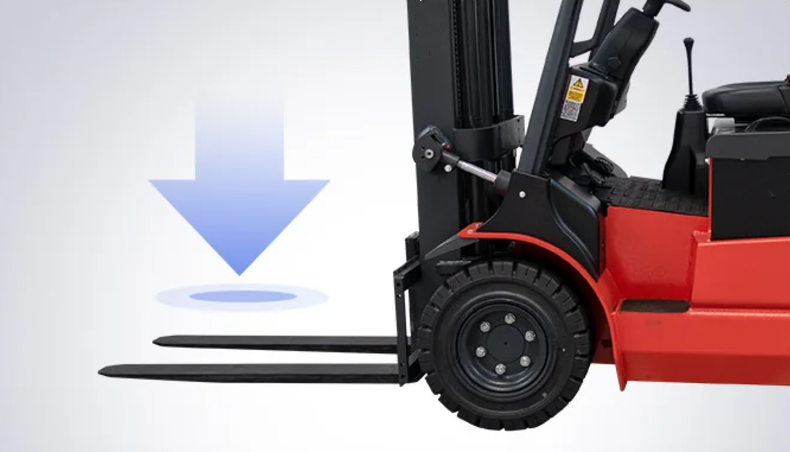
Forklift operation plays a vital role in many industries, including warehouses, manufacturing, and logistics. Getting forklift certified ensures that operators have the necessary knowledge and skills to safely handle these machines. The benefits of certification are not only about compliance but also improving safety and efficiency on the job.
OSHA (Occupational Safety and Health Administration) mandates that all forklift operators must be properly trained and certified. This is not just a suggestion but a legal requirement under OSHA’s 1910.178 standard. Employers must ensure their forklift operators meet these legal standards to prevent accidents, minimize workplace injuries, and avoid legal penalties. Forklift certification ensures that the operation of these potentially dangerous machines is handled by qualified individuals, protecting both workers and businesses.
Training significantly reduces the risk of accidents. Forklifts are heavy-duty machines, and improper operation can lead to severe injuries or even fatalities. By providing proper certification training, employers can teach operators how to safely maneuver forklifts, manage loads, and avoid common hazards. According to OSHA, forklift-related accidents are often preventable when operators are adequately trained, leading to fewer workplace injuries and fatalities.
Certified forklift operators not only work more safely but also more efficiently. Training ensures that operators are familiar with the best practices in maneuvering, loading, and unloading materials. This reduces the chances of operational errors that could lead to equipment damage or delays. A well-trained operator can increase the productivity of the entire warehouse or construction site, leading to smoother workflows and less downtime.
Before enrolling in a forklift certification program, it's important to understand the basic requirements that must be met.
To become certified, operators must meet a few basic criteria:
● Age: Operators must be at least 18 years old to operate a forklift, according to OSHA regulations.
● Vision and Health Conditions: Operators must be physically fit to operate a forklift safely. If there are any visual or physical impairments that could affect the safe operation of the forklift, the individual may not be eligible for certification.
OSHA requires that all forklift operators undergo training that includes both theoretical instruction and hands-on training. This training must cover safe operation techniques and the specific types of forklifts the operator will use. Employers are responsible for ensuring that their operators are trained and evaluated according to these standards.
Forklift certification is valid for three years. After this period, operators must undergo refresher training and evaluation to maintain their certification. This ensures that operators stay updated on any changes in safety procedures, equipment, and workplace conditions that might affect their ability to operate forklifts safely.
Becoming a certified forklift operator is a step-by-step process that ensures the operator has the necessary skills to operate these heavy machines safely and efficiently. Forklifts are powerful tools used in warehouses, factories, and construction sites, but they also pose significant risks if not handled properly. Therefore, proper certification is crucial for both safety and compliance with OSHA regulations. This process includes enrollment in a training course, completing both theoretical and hands-on training, and passing the necessary exams.
Forklift certification courses are designed to cover a comprehensive range of topics, ensuring that operators are fully prepared to handle forklifts in various environments and conditions. These topics include:
The primary focus of any forklift training course is teaching operators how to safely operate the forklift in different settings. Forklifts are used in various environments, such as narrow aisles, uneven surfaces, and busy warehouses with pedestrian traffic. Training programs emphasize the importance of:
● Operating forklifts at safe speeds.
● Navigating tight spaces without causing damage to products or structures.
● Ensuring proper visibility while driving the forklift.
The training also covers how to respond in hazardous situations, such as sudden obstacles or poor visibility conditions, ensuring the operator can maintain control at all times.
One of the critical skills taught in forklift certification courses is load handling. Operators must understand how to lift, move, and stack materials safely. Improper load handling can lead to accidents, equipment damage, or even workplace injuries. The training covers:
● Proper techniques for balancing loads to avoid tipping.
● The importance of using forks at the correct height when lifting and lowering.
● How to stack materials securely to avoid shifting or falling loads.
● How to secure loads for transportation to ensure they stay in place during movement.
Before operating a forklift, operators are trained to inspect the equipment for maintenance issues. Forklifts can experience wear and tear, and a poorly maintained forklift can be a significant safety risk. The certification course will teach operators how to perform a daily pre-shift inspection. These inspections include checking:
● Fluid levels (oil, fuel, and hydraulic fluids).
● Tires and wheels for wear or damage.
● Forks for any visible defects.
● Battery charge or fuel levels.
By ensuring the forklift is in good working condition before use, operators can prevent malfunctions or accidents caused by mechanical issues.
Forklift operators must adapt to various working conditions, including different workplace layouts, types of forklifts, and types of cargo. For example, the requirements for operating a forklift in a construction zone may differ from those in a warehouse setting. Certification courses typically include training on:
● Understanding the hazards specific to different environments.
● Using the correct type of forklift for specific tasks (e.g., rough terrain forklifts for construction sites).
● Adapting to working conditions like ramps, uneven surfaces, or confined spaces.
● Managing pedestrian traffic in environments with workers moving around forklifts.
Forklift certification programs offer several types of training formats. The most common formats are online training, in-person training, and blended training, each offering its own set of advantages.
Online forklift training has become an increasingly popular choice due to its convenience and flexibility. This format allows operators to complete the theoretical portion of the course remotely. Online courses typically cover:
● Theoretical lessons on forklift operation, safety procedures, and OSHA regulations.
● Interactive modules or videos to help reinforce the key concepts.
● Quizzes and tests to assess knowledge and understanding.
While online training is convenient, it does not replace hands-on training. After completing the online modules, operators must complete an in-person practical evaluation to ensure they can safely operate the forklift.
In-person training provides a more hands-on experience, allowing operators to receive direct supervision and feedback from certified trainers. This format is highly beneficial for individuals who prefer learning through interaction and practical experience. In-person training often includes:
● Classroom instruction covering the theoretical aspects of forklift operation.
● Practical training sessions where operators can practice using forklifts under supervision.
● Immediate feedback from instructors to correct any mistakes and improve skills.
For some workplaces, in-person training is the preferred method because it ensures that operators are fully capable of handling forklifts before they start working.
Blended training combines the flexibility of online learning with the benefits of in-person practice. Operators start by completing the theoretical portion of the course online, which they can do at their own pace. Once they have completed the online lessons, they attend in-person sessions for practical training and evaluation. This format is ideal for individuals who want the flexibility of online learning but still require hands-on training to ensure safety and competence.
The forklift certification process typically follows a structured approach that includes both theoretical and practical training, followed by a final evaluation. Here’s what the training process looks like:
The first step in becoming a certified forklift operator is completing the theoretical training. This is the foundation of the certification process and includes lessons on:
● OSHA regulations and safety standards for forklift operation.
● Basic forklift controls and functions.
● The hazards associated with forklift operation and how to mitigate them.
● How to handle different types of loads and environments.
Theoretical training is typically conducted through classroom sessions or online modules, and it may involve quizzes or assessments to ensure understanding.
After completing the theoretical training, operators must undergo hands-on training to practice operating forklifts in real-life scenarios. Hands-on training is essential to develop the physical skills necessary to safely operate the machine. During this phase, operators:
● Practice maneuvering forklifts in various settings, such as warehouses or construction sites.
● Learn to load and unload materials, stack pallets, and navigate obstacles.
● Gain experience in performing pre-use inspections to ensure the forklift is safe to operate.
Hands-on training is typically conducted at a training facility or on-site at the employer's location, with instructors guiding operators through the process.
The final step in the certification process is the evaluation. This involves both a theoretical exam and a practical test:
● Theoretical Exam: The theoretical exam is designed to assess the operator’s understanding of forklift safety, operating procedures, and OSHA regulations. This may include multiple-choice questions or short-answer questions based on the material covered during the training.
● Practical Test: During the practical test, the operator demonstrates their ability to safely and effectively operate the forklift in a controlled environment. This test is typically conducted by a certified instructor who evaluates the operator’s skills.
Once the operator successfully passes both the theoretical and practical exams, they are issued a forklift certification, allowing them to operate forklifts in the workplace.
Forklift certification is valid for three years. After this period, operators must undergo refresher training and evaluation to ensure they remain up to date on safety standards, best practices, and any new equipment or procedures. Some employers may also require additional training if operators are assigned to new types of forklifts or different work environments.
Tip: Employers should implement regular safety training and certification renewals to ensure their forklift operators continue to operate safely and efficiently.
Once training is complete, operators must pass a certification exam to prove their competency.
In many training programs, operators must take a written exam to assess their understanding of forklift safety, operation, and regulations. The exam typically includes multiple-choice questions on topics like load handling, forklift inspection, and hazard identification. While OSHA does not specifically require a written test, most training providers incorporate one to ensure that operators have a solid grasp of the theory.
In addition to the written test, operators must also undergo a practical evaluation. This involves demonstrating their ability to safely operate a forklift in a real-world environment. The evaluation is conducted by a qualified trainer who observes the operator's skills and provides feedback. The hands-on assessment ensures that the operator is fully prepared to work in a variety of environments.
If an operator fails either the written test or the practical evaluation, they are typically allowed to retake the exam or evaluation. Most providers offer support to help operators prepare for a second attempt, ensuring they can successfully complete the certification process.
Forklift certification is an investment in both safety and career advancement. Here's what you can expect regarding costs and time commitment.
The cost of forklift certification varies depending on the training provider. Online courses can be more affordable, typically ranging from $50 to $150. In-person training can cost between $150 and $200, depending on the location and the duration of the course. Some employers may even cover the costs of certification as part of their workforce training programs.
Training Type |
Cost Range |
Duration |
Location |
Online Course |
$50 - $150 |
1-2 hours |
Remote (Self-paced) |
In-person Training |
$150 - $200 |
1-2 days |
Local (Classroom + Hands-on) |
Blended Training |
$100 - $200 |
1-2 days |
Local + Remote (Combination) |
The time it takes to complete forklift certification depends on the training format and the operator's experience. Online courses can take as little as 1-2 hours for operators with prior experience. In-person training usually lasts 1-2 days, including both classroom instruction and hands-on practice.
Tip: Some employers offer on-site training programs, which can be more convenient and tailored to the specific equipment used in the workplace.
Once certified, operators must follow several steps to ensure they continue to meet safety standards in the workplace.
After completing the training and evaluation, operators receive a certification card or document that proves they are qualified to operate a forklift. This certificate includes the operator's name, training dates, and the details of the certification provider. It is important to keep this document in a safe place and present it to potential employers or when requested for safety audits.
In most cases, operators can begin applying for forklift operator positions immediately after receiving their certification. The certification proves that the operator has the necessary knowledge and skills to handle forklifts safely. Employers often require this certificate as part of the hiring process.
While forklift certification is valid for three years, ongoing education is essential. Refresher training may be required if an operator is involved in an accident, demonstrates unsafe practices, or if there are significant changes in the workplace environment (e.g., new machinery or layouts). Regular refresher training helps ensure that operators remain updated on the latest safety standards and best practices.
Refresher Training Criteria |
When Required |
Unsafe Practices |
If operator is observed not following safe procedures |
Involvement in an Accident |
After an accident or close call |
Workplace Changes |
New equipment, layout, or hazards |
Company Policy Changes |
Shift in safety standards or policies |
Forklift certification is essential for workplace safety and legal compliance. It reduces accident risks and improves efficiency. By becoming a certified forklift operator, individuals open doors to better job opportunities. Shanghai HanDavos International Trading Co., Ltd. offers top-notch forklift solutions, ensuring your operations are safe, efficient, and compliant with industry standards. Their products provide value by enhancing safety and boosting productivity in various work environments.
A: Forklift certification is a process that ensures operators have the necessary skills and knowledge to safely operate forklifts in various environments. It involves both theoretical training and hands-on practice.
A: To get forklift certified, you need to complete a training course that includes both theoretical and hands-on instruction, followed by an evaluation. Once you pass, you'll receive a certification allowing you to operate a forklift legally.
A: Forklift certification is typically valid for three years. After this period, operators need to undergo refresher training and evaluation to maintain their certification.
A: Forklift certification is required to ensure operators are trained in safety procedures, reducing the risk of accidents. It is also mandated by OSHA to comply with workplace safety regulations.
A: Yes, online forklift certification is available for the theoretical portion. However, hands-on training and evaluation must still be completed in person to ensure safe operation skills.


