
English
English
Views: 0 Author: Site Editor Publish Time: 2025-11-06 Origin: Site
Imagine a bustling warehouse running smoothly, thanks to efficient material handling equipment. Electric stackers are revolutionizing these operations by offering eco-friendly, cost-effective solutions. But what exactly is an electric stacker, and why is it crucial for warehouse efficiency? In this post, you'll learn about electric stackers, their importance in warehouse operations, and how they compare to traditional IC forklifts. Discover the key features and benefits that make electric stackers a game-changer in material handling.
Electric stackers have become essential tools in modern warehouses and distribution centers. Their design and technology combine to provide efficient, safe, and flexible material handling solutions. Here are the key features that make electric stackers stand out:
Electric stackers run on rechargeable batteries, usually lithium-ion or lead-acid types. This battery power offers several advantages:
Zero Emissions: Since they don't use fossil fuels, electric stackers produce no exhaust gases, making them environmentally friendly and ideal for indoor use.
Cost Savings: Electricity costs less than diesel or petrol, reducing operating expenses. Batteries also require less maintenance than combustion engines.
Quiet Operation: Electric motors run quietly, creating a more comfortable and safer working environment by reducing noise pollution.
Long Run Times: Modern batteries support extended shifts with quick charging options, minimizing downtime.
Electric stackers are designed to operate in tight spaces where larger forklifts can't fit. Their compact size and agility offer several benefits:
Narrow Aisle Navigation: They easily maneuver through narrow aisles, maximizing warehouse storage space.
Lightweight Build: This reduces floor stress and allows use on delicate surfaces.
Ergonomic Controls: Operators can easily steer and control the stacker, often with intuitive handles or joystick systems.
Versatile Configurations: Models range from pedestrian-operated walkie stackers to ride-on versions, adapting to different warehouse layouts and tasks.
Safety is a top priority in material handling, and electric stackers incorporate various technologies to protect operators, goods, and equipment:
Automatic Braking Systems: These engage when the operator releases controls, preventing unintended movement.
Overload Protection: Sensors detect if a load exceeds the stacker's capacity and prevent lifting, reducing accident risks.
Load Balancing and Stability Controls: These systems maintain balance during lifting and moving, minimizing tip-over chances.
Speed Regulation: Some stackers adjust travel speed based on load weight or turning angles to enhance control.
Emergency Stop Buttons: Easily accessible controls allow operators to quickly halt operations if needed.
Together, these features ensure safer operation, reduce workplace injuries, and protect valuable inventory. Regularly check battery health and safety systems on your electric stackers to maintain peak performance and ensure operator safety in your warehouse.
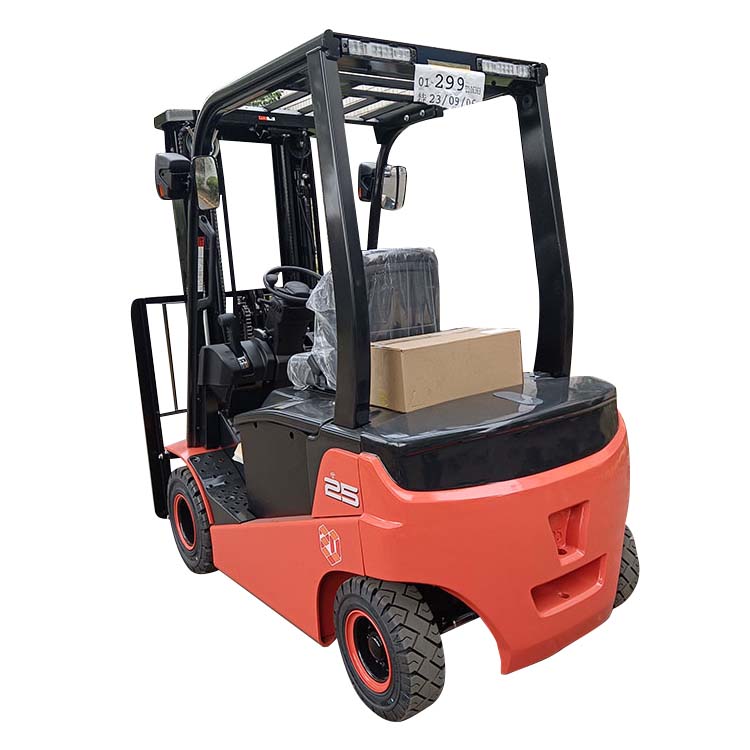
These are the most common electric stackers. They lift and move pallets efficiently and are suitable for small to medium-sized warehouses. Their compact design allows easy navigation in tight aisles. Typically, they can handle loads up to 2,000 kg and reach heights around 4 to 6 meters. Standard electric pallet stackers are pedestrian-operated, meaning the operator walks behind or alongside the machine.
Walkie stackers are similar to standard pallet stackers but emphasize maneuverability. Operators walk behind the stacker, controlling it with a handle or joystick. These stackers excel in narrow aisles and confined spaces, making them perfect for retail stores or smaller warehouses. They provide electric lifting and movement, reducing operator fatigue and increasing productivity.
Ride-on stackers are designed for larger warehouses or facilities where operators need to cover longer distances. Instead of walking, the operator rides on the stacker, improving comfort and reducing fatigue during extended shifts. These stackers often have higher load capacities and lifting heights, sometimes exceeding 3,000 kg and 6 meters respectively. Ride-on stackers combine power, speed, and ergonomic design for efficient material handling.
Straddle stackers feature legs that straddle the load, providing excellent stability and versatility. They are ideal for handling various pallet sizes and shapes. Their design allows them to operate in narrow aisles while supporting heavier loads. Straddle stackers are often used in industries with diverse inventories or where precise load positioning is critical. They come in both pedestrian and ride-on versions.
Electric stackers run on batteries, which means they produce no exhaust emissions. This clean operation helps reduce pollution inside warehouses and contributes to a healthier work environment. Unlike diesel or petrol-powered forklifts, electric stackers don’t release harmful gases, making them ideal for indoor use and places with strict environmental regulations.
Additionally, electric stackers operate quietly, lowering noise pollution and creating a more comfortable workplace. This quiet operation reduces stress and fatigue for operators and nearby workers. Using electric stackers supports sustainability goals and enhances your company’s green credentials.
Though electric stackers may have a higher upfront cost compared to manual or internal combustion (IC) forklifts, they offer long-term savings. Electricity costs less than fuel, reducing your daily operating expenses. Batteries also require less maintenance than combustion engines, cutting down repair and service costs.
Electric stackers have fewer moving parts, so they tend to break down less often. This reliability means less downtime and fewer unexpected expenses. Plus, their precise control reduces the risk of damage to goods and infrastructure, saving money on repairs and replacements.
Electric stackers improve productivity by making lifting and moving pallets easier and faster. Operators can raise loads to high shelves without physical strain, speeding up stacking and retrieval tasks. Their compact design allows them to work in narrow aisles and tight spaces where larger forklifts cannot fit.
Many electric stackers feature advanced controls and safety systems that help operators work confidently and efficiently. Features like automatic braking, overload protection, and speed regulation minimize accidents and improve handling precision.
With longer battery life and quick charging options, electric stackers can operate for extended periods, keeping your warehouse running smoothly without frequent interruptions. Schedule regular battery maintenance and charging cycles to maximize your electric stacker’s runtime and operational efficiency.
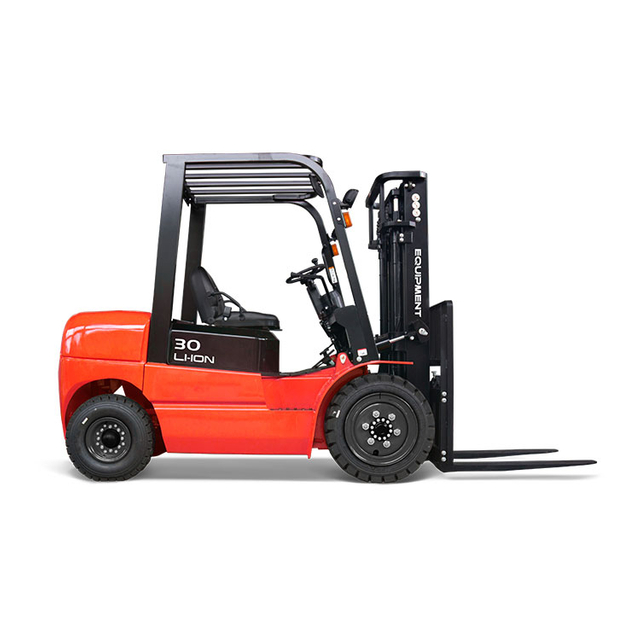
Start by evaluating your daily operations. Ask yourself:
How often will the stacker be used?
What types of loads need moving?
Are the aisles narrow or wide?
Is the workspace indoors or outdoors?
For example, a small retail store may only need a compact walkie stacker for occasional use. A busy distribution center might require a ride-on stacker to cover long distances efficiently.
Understanding your workflow helps narrow down stacker types and features that best suit your environment.
Load capacity is crucial. Electric stackers come in various weight limits, typically ranging from 1,000 kg up to 3,000 kg or more. Choose a stacker that can comfortably handle your heaviest pallets, plus a safety margin.
Lifting height matters too. Measure your rack heights and storage needs. Some stackers lift up to 6 meters or higher, while others are designed for lower stacking.
For instance, if your warehouse stores goods on high shelves, prioritize stackers with greater lifting heights. Conversely, for ground-level or low shelving, a standard stacker with moderate height capabilities will suffice.
Electric stackers vary in price depending on features, brand, and capacity. While upfront costs might seem high, consider long-term savings from reduced fuel use, lower maintenance, and increased productivity. Maintenance is easier for electric stackers than internal combustion models. Still, budget for regular battery checks, brake inspections, and servicing. Factor in battery type too. Lithium-ion batteries cost more initially but last longer and charge faster than lead-acid batteries, lowering downtime. Balancing your budget against operational needs ensures you invest wisely in equipment that delivers value over time. Before purchasing, test different stacker models in your warehouse to see which fits your space, load, and operator comfort best.
Electric stackers and internal combustion (IC) forklifts serve similar purposes but operate quite differently. Electric stackers run on rechargeable batteries, making them ideal for indoor use due to zero emissions and quieter operation. They excel in tight spaces, narrow aisles, and smaller warehouses, where maneuverability and compact design are crucial.
IC forklifts, powered by diesel, petrol, or LPG, generate more noise and exhaust gases. These forklifts are better suited for outdoor environments or large warehouses with wide aisles. They offer higher load capacities and longer continuous operation without needing battery recharges.
Electric stackers typically require less operator skill to operate safely, thanks to advanced safety features and intuitive controls. IC forklifts demand more training due to their power and complexity.
Electric stackers offer several benefits over IC forklifts:
Eco-Friendly Operation: No exhaust emissions, making them perfect for indoor spaces and environmentally conscious businesses.
Lower Operating Costs: Electricity is cheaper than fuel; batteries require less maintenance compared to combustion engines.
Reduced Noise: Quieter motors improve workplace comfort and reduce noise pollution.
Compact Size: Easier navigation in narrow aisles and confined spaces increases warehouse storage efficiency.
Enhanced Safety Features: Automatic braking, overload protection, and speed regulation reduce accidents.
Ease of Maintenance: Fewer moving parts mean less downtime and simpler repairs.
These advantages make electric stackers a cost-effective and sustainable choice for many material handling tasks.
Despite the benefits of electric stackers, IC forklifts remain essential in certain scenarios:
Outdoor Operations: IC forklifts handle rough terrain, uneven surfaces, and weather exposure better.
Heavy-Duty Tasks: When lifting very heavy loads beyond electric stacker capacities, IC forklifts provide the necessary power.
Extended Use: IC forklifts can operate longer without frequent stops for battery charging.
Large Warehouses: Wide aisles and open layouts accommodate larger IC forklifts efficiently.
Choosing between electric stackers and IC forklifts depends on your operational environment, load requirements, and sustainability goals. Evaluate your warehouse layout and load demands carefully to determine whether electric stackers or IC forklifts best fit your operational needs and sustainability targets.
Proper maintenance and care are essential to keep electric stackers running smoothly and safely. Regular checks and servicing help prevent breakdowns, extend equipment life, and ensure consistent performance in your warehouse.
Start each day by inspecting your electric stacker before use. Key daily checks include:
Battery Condition: Ensure the battery is fully charged and connections are secure. Look for signs of corrosion or damage.
Hydraulic System: Check for leaks or unusual noises when lifting or lowering loads.
Brakes and Controls: Test the brakes, emergency stop, and steering controls to confirm they respond properly.
Visual Inspection: Look over forks, chains, wheels, and mast for cracks, wear, or deformation.
Weekly maintenance involves a deeper look:
Lubrication: Apply grease to moving parts like chains, joints, and wheels to reduce friction.
Battery Water Levels: For lead-acid batteries, check electrolyte levels and top up with distilled water if needed.
Cleanliness: Remove dust, dirt, and debris from the stacker, especially around electrical components.
Safety Features: Test overload protection and automatic braking systems to verify functionality.
Consistent daily and weekly checks catch minor issues early, avoiding costly repairs and downtime.
Beyond routine checks, schedule periodic maintenance to keep your stacker in top condition:
Monthly Inspections: Examine hydraulic oil quality, tire wear, and electrical wiring. Replace worn parts promptly.
Battery Care: Follow manufacturer guidelines for charging cycles and storage. Consider professional battery servicing to maintain capacity.
Professional Servicing: Arrange for a qualified technician to perform comprehensive servicing every 6 to 12 months. This includes checking motors, sensors, and safety systems.
Software Updates: If applicable, keep the stacker’s software or control systems updated to benefit from improved features and safety enhancements.
Long-term care ensures reliability, safety, and optimal performance throughout the stacker’s lifespan.
To maximize your electric stacker’s lifespan:
Train Operators: Proper use reduces wear and prevents accidents. Teach operators to avoid overloading and rough handling.
Store Properly: When not in use, park stackers in dry, clean areas away from extreme temperatures.
Monitor Usage: Track operating hours and maintenance history to plan timely interventions.
Use Genuine Parts: Replace components with manufacturer-approved parts to maintain quality and safety.
Following these practices helps your stacker deliver consistent, efficient service and protects your investment. Implement a maintenance log to track daily checks, repairs, and servicing, ensuring nothing is overlooked and your electric stacker stays in peak condition.
Electric stackers offer efficient, eco-friendly, and cost-effective material handling solutions for warehouses. With features like battery-powered efficiency and advanced safety controls, they enhance operational productivity and safety. Selecting the right stacker depends on business needs, load capacity, and budget. As material handling technology evolves, electric stackers are set to play a pivotal role in future warehouse operations. For businesses seeking reliable equipment, Handavos provides electric stackers that deliver exceptional value and performance.
A: An electric stacker is a battery-powered material handling device used in warehouses to lift and move pallets. Unlike IC forklifts, it operates quietly and produces zero emissions, making it ideal for indoor use.
A: Electric stackers are compact, eco-friendly, and quieter, perfect for indoor operations. IC forklifts, powered by diesel or petrol, suit outdoor environments and heavy-duty tasks due to their higher load capacities.
A: Electric stackers offer lower operating costs, reduced noise, and enhanced safety features. They excel in narrow aisles and confined spaces, providing efficient and sustainable material handling solutions.
A: Electric stackers provide environmental advantages, cost savings, and operational efficiency. They reduce emissions, lower fuel costs, and enhance productivity with advanced safety features and ergonomic controls.
A: Electric stackers generally have higher upfront costs but offer long-term savings through reduced fuel use and maintenance. IC forklifts may be cheaper initially but incur higher operating expenses over time.


