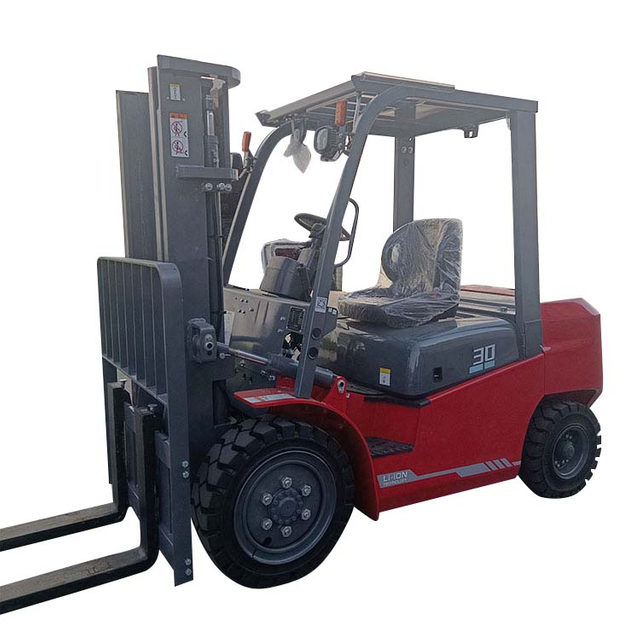
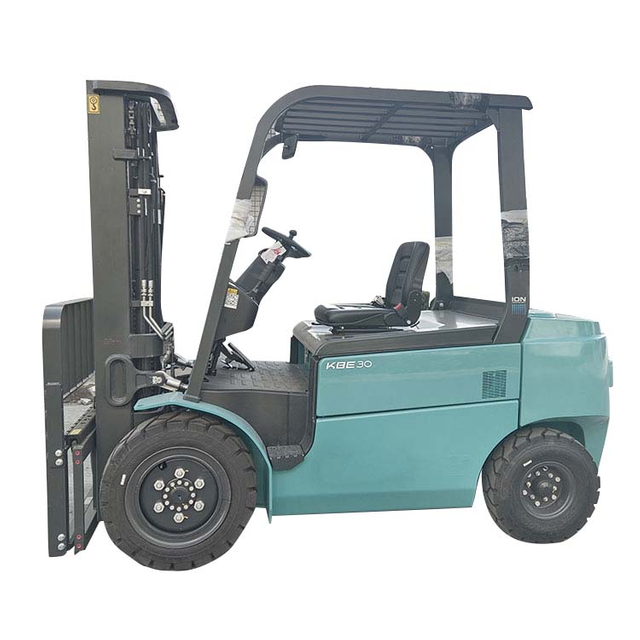
HS codes are essential for international trade, affecting duties and customs procedures. But how do they apply to electric forklifts? Electric forklifts are increasingly used in logistics and material handling. With their growing demand, understanding their HS code is crucial for businesses engaged in global trade. In this post, we'll define the HS code for electric forklifts and explain its importance for efficient customs clearance and trade compliance.
Understanding HS Codes and Their Importance
What is an HS Code?
An HS code, or Harmonized System code, is a standardized system used to classify goods traded internationally. Developed by the World Customs Organization (WCO), it helps customs authorities identify products, calculate duties, and collect trade statistics. These codes are used by over 200 countries, making it a vital tool for global trade.
HS codes are essential for streamlining trade, reducing errors, and ensuring that products are classified uniformly across different nations. For example, an electric forklift, like any other product, must be accurately classified under its specific code to avoid delays or extra costs.
Why Correct Classification is Crucial for Electric Forklifts?
Correctly classifying electric forklifts under the appropriate HS code is key for smooth customs clearance. When the right code is used, it helps ensure the product complies with regulations in different countries, making international shipping faster and more efficient.
Misclassifying electric forklifts can lead to inaccurate tariff rates, which may result in higher duties or taxes. This can increase costs and delay shipments. Customs may even seize the goods if the classification is deemed incorrect, causing further delays and penalties.
For businesses, correctly classifying products like electric forklifts helps avoid fines, shipping delays, and unnecessary expenses. It also ensures that the product falls under the correct trade agreements or preferential tariffs, ultimately benefiting cost-efficiency.
HS Code Classification for Electric Forklifts
HS Code 8427.10: Self-Propelled Trucks Powered by an Electric Motor
HS Code 8427.10 is specifically for electric-powered self-propelled trucks, including electric forklifts. This code includes equipment that is driven by an electric motor, which is common in modern warehouses and distribution centers. By using this code, businesses ensure their electric forklifts are correctly classified, simplifying customs procedures and reducing errors in tariff calculations.
Examples of products under this code:
● Electric Counterbalance Forklifts: These are the most common type of electric forklifts, widely used in warehouses and factories for moving heavy loads.
● Electric Reach Trucks: Ideal for narrow aisles, these forklifts allow operators to reach high shelves.
● Electric Pallet Trucks: These are compact, low-lift trucks used for moving pallets over short distances in warehouses.
● Electric Order Pickers: Used for picking items from high shelves, improving efficiency in order fulfillment.
Other Relevant HS Codes for Forklifts
While HS Code 8427.10 applies to electric forklifts, there are other codes for different types of forklifts and material handling equipment.
● HS Code 8427.20: This code is for self-propelled trucks powered by internal combustion engines (e.g., diesel or LPG). It applies to forklifts that use fuel rather than electricity to operate.
● HS Code 8427.90: This is for other non-motorized material handling equipment, such as manual pallet trucks and stacker trucks. These items do not have their own engine but are used for similar purposes as motorized forklifts.
HS Code | Product Type | Power Source |
8427.10 | Electric Forklifts, Reach Trucks, Order Pickers | Electric Motor |
8427.20 | Diesel or LPG Powered Forklifts | Diesel/LPG Engine |
8427.90 | Manual Pallet Trucks, Stacker Trucks | Non-motorized |
Tip: When classifying electric forklifts, always ensure you use the exact HS code for the type of forklift. Misclassification can lead to customs delays, incorrect duties, and even fines.

Global Market Trends and Impact on HS Code Classifications
Increased Electrification in Material Handling
The demand for electric forklifts has surged in recent years, driven by environmental concerns and the need for operational efficiency. Many industries are moving toward electrification to reduce their carbon footprint and lower operating costs. Electric forklifts are seen as a more sustainable option compared to their diesel or LPG counterparts, contributing to reduced emissions and noise in warehouses and distribution centers.
As the logistics and warehouse management sectors continue to grow, electric forklifts are becoming the preferred choice. Their ability to work in confined spaces, reduced maintenance costs, and eco-friendly features have made them highly attractive for companies looking to improve efficiency and sustainability. The trend toward electric material handling equipment is part of a broader movement toward automation and green technologies in industries worldwide.
Effect of Electrification on Trade and Customs
The rise in electric forklifts has led to an increase in imports and exports of these vehicles. More countries are importing electric forklifts to meet the growing demand in industries, while manufacturers are exporting them to regions with stricter environmental regulations. This surge in trade directly affects the classification of electric forklifts, influencing the volume of goods classified under HS Code 8427.10.
As the electric forklift market expands, there may be changes to the HS codes used for classification. New codes may be introduced to accommodate innovations such as hybrid forklifts or autonomous material handling vehicles. Customs regulations will likely evolve alongside these changes, with the potential for adjustments in tariff rates, import duties, and trade agreements.
Trend | Impact on Trade and HS Classification |
Increased Electrification | Boost in imports/exports of electric forklifts |
Adoption of Hybrid Forklifts | Potential for new HS codes for hybrids |
Global Sustainability Efforts | Changes in tariffs and trade agreements |
Challenges in Classifying Electric Forklifts
Technological Advancements in Forklift Design
As forklift technology advances, classifying these machines becomes increasingly complicated. The introduction of hybrid forklifts—those that combine electric and internal combustion engines—has blurred the lines between traditional categories. These hybrid models are more efficient and environmentally friendly, but their unique design makes them harder to classify under existing HS codes.
In addition, multi-functional machines are gaining popularity. These forklifts, which may also serve as order pickers or reach trucks, can cause confusion when assigning a single HS code. As these machines evolve, it may become necessary to introduce new codes or adjust existing ones to accurately reflect the broad range of capabilities they offer.
Complexities in Classification for Forklift Parts and Components
Forklift parts often fall under different HS codes, making it difficult to determine the correct classification for imports or exports. For example, batteries for electric forklifts are classified under a different code than the forklift itself. Similarly, parts like motors, forks, and wheels may also fall under distinct categories.
To avoid misclassification, it is essential to identify the exact nature of each part. Specialized parts that are unique to electric forklifts, like electric motors or lithium-ion batteries, may need to be classified separately. Accurate classification helps avoid customs delays and ensures compliance with trade regulations.
Regional Variations in HS Code Application
HS codes are intended to be a global standard, but in practice, different countries may interpret or apply them differently. Some countries might have specific subcategories within the broader HS code for forklifts, affecting tariff rates and import duties. For example, one country might classify a specific type of electric forklift under a separate code, while another could include it within a broader category.
This regional variation makes it critical for importers and exporters to stay informed about the specific HS code practices in each country. Even slight differences in classification can lead to additional costs or delays in shipping, affecting overall supply chain efficiency.

Best Practices for Importers and Exporters of Electric Forklifts
Ensure Correct HS Code Classification
To avoid delays and unnecessary costs, businesses must ensure their electric forklifts are classified correctly under the right HS code. This can be done by carefully reviewing the product's specifications and comparing them with the descriptions in the HS code system. Each type of forklift, whether electric or hybrid, has its own unique classification, so it's important to understand the features that determine the correct code.
There are several resources available for businesses to find accurate HS codes. Customs websites, trade associations, and specialized logistics platforms offer tools to help identify the correct classification. It's crucial to cross-check this information regularly as trade rules can change.
Work with Customs Experts and Digital Platforms
Using digital logistics platforms can significantly streamline the process of HS code classification. These platforms often provide automated suggestions for the most accurate code based on product descriptions. This helps prevent misclassification and reduces the risk of delays at customs.
Additionally, working with customs experts can offer valuable insights, especially for complex cases such as hybrid forklifts or unique parts. These experts can also provide access to real-time updates on regulatory changes that might impact the classification and trade of electric forklifts.
Consideration of Import Duties and Taxes
The HS code directly impacts the import duties, taxes, and overall shipping costs for electric forklifts. Different codes can result in different duty rates, and misclassification can lead to overpayment or underpayment of these fees. Businesses should also be aware of any preferential tariffs that may apply to certain types of forklifts, especially in countries with free trade agreements.
By correctly classifying the forklift and understanding the associated duties, businesses can better manage their logistics costs and avoid unexpected fees.
Practice | Benefit |
Correct HS Code Classification | Prevents delays and fines |
Use Digital Logistics Platforms | Ensures accurate codes and real-time updates |
Consult Customs Experts | Provides guidance for complex classifications |
The Role of Digital Solutions in Simplifying HS Code Classification
Automated HS Code Suggestions
Digital logistics platforms have revolutionized how businesses classify products for international trade. These platforms use automated systems to suggest the most accurate HS codes for products like electric forklifts. By inputting basic product details—such as weight, dimensions, and power source—businesses can receive recommended HS codes that align with global standards.
This automation reduces human error and speeds up the classification process, allowing businesses to save time and avoid costly mistakes. With advanced algorithms constantly updated to reflect the latest trade regulations, these platforms ensure that the correct codes are used every time, even for complex machinery like electric forklifts.
Integration with Customs Systems
One of the major advantages of using digital logistics platforms is their ability to integrate directly with customs systems. This integration helps streamline the process of submitting HS codes for customs clearance. With seamless connections to global customs databases, businesses can avoid manual data entry, reducing errors and delays in shipments.
The integration ensures that the right information, including the correct HS code, is transferred quickly and accurately, which speeds up clearance at borders and improves supply chain efficiency. This helps prevent unexpected fees or customs inspections that could arise from incorrect classifications.
Expert Support for Complex Classifications
While automated systems and integrations are incredibly helpful, there are times when expert guidance is necessary. For non-standard forklifts—such as hybrid models or specialized equipment—customs classification can become more complex. In these cases, businesses should seek help from customs consultants who have experience in handling intricate classifications.
Consultants can offer insight into the latest regulatory changes and help ensure that complex products, like electric forklifts with unique features, are classified correctly. They can also assist with identifying the right HS codes for parts and components, ensuring that every aspect of a shipment complies with local and international regulations.
Feature | Benefit |
Automated HS Code Suggestions | Quick and accurate classification |
Integration with Customs Systems | Faster, error-free customs clearance |
Expert Support for Complex Classifications | Guidance for hybrid and non-standard forklifts |
Conclusion
Understanding and applying the correct HS code for electric forklifts is crucial in global trade. As the demand for electric forklifts grows, businesses must stay updated on regulations to ensure smooth customs clearance. The shift toward electric forklifts is reshaping logistics, offering eco-friendly and cost-efficient solutions. Companies like Handavos are well-positioned to support businesses with high-quality electric forklifts and expert services, making trade practices more efficient and compliant.
FAQ
Q: What is the HS code for an electric forklift?
A: The HS code for an electric forklift is 8427.10, which covers self-propelled trucks powered by an electric motor.
Q: Why is the HS code important for electric forklifts?
A: The HS code ensures correct classification, helping with customs clearance, accurate tariffs, and smooth international trade.
Q: How can I find the correct HS code for an electric forklift?
A: You can use digital logistics platforms or consult customs experts for automated suggestions and real-time updates.