Views: 0 Author: Site Editor Publish Time: 2025-12-16 Origin: Site


Stand-up forklifts are essential in today's fast-paced warehouses. Their compact design allows for maneuvering in tight spaces, making them ideal for small aisles. But how do you operate them safely and efficiently?
In this article, we will discuss the steps to operate a stand-up forklift. You will learn safety tips, operating procedures, and how to increase efficiency with this equipment.

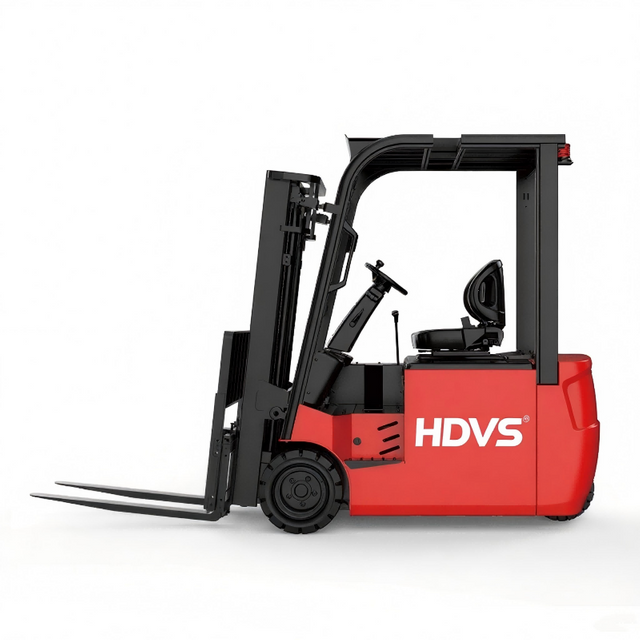
A stand-up forklift is an industrial vehicle designed for the efficient movement of materials in confined spaces. The unique design allows operators to stand rather than sit, providing better visibility and faster access to the forklift. Unlike sit-down forklifts, which are suited for larger spaces, stand-up forklifts are highly effective in narrow aisles and compact areas.
Feature |
Stand-Up Forklift |
Sit-Down Forklift |
Operator Position |
Standing |
Sitting |
Maneuverability |
High in tight spaces |
Lower in tight spaces |
Control Mechanism |
Joystick or control lever |
Steering wheel |
Visibility |
360-degree visibility |
Limited visibility when reversing |
Ergonomics |
Reduced neck strain |
Potential for neck strain due to twisting |
● Compact Size: Ideal for narrow aisles and congested warehouse environments.
● Quick Access: Operators can easily mount and dismount the forklift, improving efficiency in fast-paced settings.
● Improved Visibility: Standing provides a better line of sight, reducing the risk of accidents when reversing or maneuvering around corners.
Stand-up forklifts operate similarly to sit-down forklifts, but they have unique features designed for standing operators. Instead of a steering wheel, stand-up forklifts utilize a control handle or joystick, which combined with foot pedals, allows for precise control over movement and braking.
Control Feature |
Function |
Control Handle |
Used for steering and maneuvering |
Foot Pedals |
Control acceleration and braking |
Joystick |
Precise control over lifting, lowering, and movement |
Mast Mechanism |
Lifts and lowers loads efficiently |
The standing position enhances operator visibility, which is crucial when operating in tight spaces or when maneuvering around obstacles. The highly responsive controls enable quick, precise movements, making the stand-up forklift an ideal choice for fast-paced and high-density work environments.
Operating a stand-up forklift safely and efficiently is essential for smooth warehouse operations. It is crucial to follow proper procedures to ensure both the equipment's functionality and the safety of those around you. This section provides a detailed guide for operating a stand-up forklift, from pre-operation checks to basic driving steps.
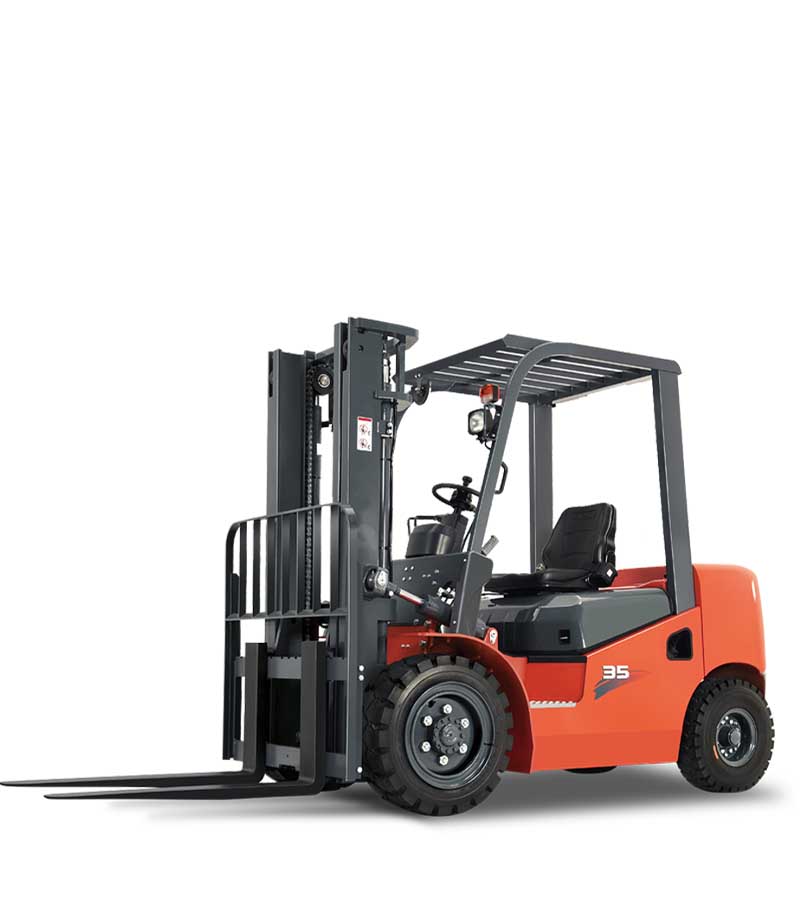
Before starting any forklift, conducting a thorough pre-operation inspection is essential for ensuring that the equipment is in good working order. This step not only ensures the forklift operates smoothly but also prevents potential accidents caused by faulty equipment. A checklist for the pre-operation inspection includes the following components:
Essential Checks:
● Tires/Wheels: The tires are crucial for maintaining stability. Inspect them for wear, cracks, or flat spots. Damaged or worn tires can reduce stability and control, increasing the risk of accidents.
● Forks and Mast: The forks and mast are the most essential parts of the forklift, directly responsible for lifting and moving loads. Check the forks for alignment and cracks. If they are misaligned or damaged, it can lead to load instability and compromise safety.
● Hydraulic Fluid: Hydraulic fluid ensures the lifting mechanism works smoothly. Check fluid levels regularly to avoid malfunctions that could lead to a loss of lifting power or failure to move loads effectively.
● Battery/Fuel Levels: A fully charged battery (for electric forklifts) or sufficient fuel (for gas-powered forklifts) is essential for the forklift to function through an entire shift. Ensure the battery or fuel tank is filled to avoid operational delays.
● Safety Lights/Alarms: Safety lights and alarms are vital for alerting others around you to your movements. Verify that all warning lights and alarms are functional to ensure that the forklift is visible, especially when reversing or operating in busy environments.
Component |
What to Check |
Why It's Important |
Tires/Wheels |
Look for wear, cracks, or flat spots |
Affects stability and control |
Forks and Mast |
Ensure alignment and check for cracks |
Prevents instability when lifting |
Hydraulic Fluid |
Check fluid levels |
Ensures lifting ability |
Battery/Fuel Levels |
Confirm full charge or sufficient fuel |
Prevents operational delays |
Safety Features |
Test lights and alarms |
Ensures visibility and safety |
It’s important to remember that skipping any part of this pre-operation inspection could result in an unsafe work environment. Taking the time to perform these checks ensures that the forklift will function properly throughout the day and can help prevent breakdowns or accidents.
Once you’ve completed the pre-operation inspection, you’re ready to operate the stand-up forklift. Below are the basic steps for starting, moving, turning, and stopping the forklift.
The first step in operating a stand-up forklift is to ensure that it’s started properly. Here’s how to do it:
● Turn the Key: Insert the key into the ignition and turn it to the “on” position. Wait for the system check to complete. This check will ensure that all components of the forklift, such as the safety lights, controls, and power systems, are functioning properly.
● Fork Alignment: Before starting to move, make sure the forks are fully retracted. This avoids obstruction during movement and ensures that the forklift is ready to carry loads.
Best Practice: Always check that the forklift is properly calibrated, and perform a quick safety check of the controls before starting the forklift.
Once the forklift is started and all systems are checked, it’s time to begin driving.
● Use the Control Handle: Use the control handle or joystick to steer the forklift. Stand upright and hold the control handle with both hands for optimal control. Moving the handle forward will direct the forklift forward, while pulling it backward will move the forklift in reverse.
● Accelerate Slowly: Press the foot pedal gently to accelerate. Gradually increase speed to maintain control over the forklift’s movement. Avoid sudden acceleration to ensure smooth operation and reduce the risk of tipping or losing control.
Best Practice: Start slowly, especially when moving in tight spaces. Sudden movements can cause the forklift to become unstable.
When turning the forklift, it’s important to slow down to maintain control. Sharp turns, especially with a load, can cause the forklift to become unbalanced and tip over. Here's how to turn safely:
● Slow Down Before Turning: Always reduce speed before turning, particularly in narrow aisles or tight spaces. The slower you go, the easier it is to control the forklift during the turn.
● Check Surroundings: Make sure to check for any obstacles, pedestrians, or other forklifts before turning. It’s important to always be aware of your surroundings, especially in busy environments like warehouses.
Best Practice: Keep turns wide and gradual. Sudden, sharp turns should be avoided to ensure safety.
When it’s time to stop the forklift, you should do so gradually and smoothly to avoid jolts and ensure that the load remains stable. Here’s how to stop the forklift correctly:
● Release the Accelerator: Gently release the foot pedal to stop accelerating.
● Use the Brake Pedal: Gradually press the brake pedal to bring the forklift to a complete stop. Avoid slamming on the brakes, as it may cause instability.
Best Practice: Always stop smoothly and avoid sudden halts. This keeps the load from shifting and reduces the risk of accidents.
Action |
Steps to Perform |
Best Practices |
Starting |
Turn key, check forks, system check |
Ensure everything is working correctly |
Moving Forward |
Use control handle and foot pedal |
Start slowly, avoid abrupt movement |
Turning |
Slow down before turning |
Make sharp turns carefully |
Stopping |
Release accelerator and brake slowly |
Avoid sudden stops, maintain balance |
● Always Drive Cautiously: Especially in tight spaces, make sure to drive cautiously to avoid collisions or tipping. Stand-up forklifts are highly maneuverable, but they can become unstable when operated too quickly.
● Check for Pedestrians: In any work environment, always be aware of pedestrians, other forklifts, and obstacles around you. Use the horn to alert others when necessary, especially when reversing or entering blind spots.
● Take Regular Breaks: Long shifts can cause fatigue, which impacts your focus and reaction time. Take regular breaks to stay sharp and avoid accidents.
● Keep the Forks Low: When carrying loads, always keep the forks as low to the ground as possible without dragging them. This reduces the chance of tipping and improves stability.
By following these basic operating steps and safety protocols, you can ensure smooth and efficient operation of your stand-up forklift, reducing the risk of accidents and enhancing overall productivity in the workplace.
OSHA (Occupational Safety and Health Administration) mandates that all forklift operators, including stand-up forklift drivers, must complete an OSHA-compliant training program. The training ensures that operators understand both the functional aspects of the forklift and the associated safety protocols.
Requirement |
Description |
Certification |
Operators must complete OSHA-compliant training. |
Safety Awareness |
Training teaches hazard recognition and emergency procedures. |
Operational Skills |
Operators learn how to operate forklifts safely, including the correct posture and handling techniques. |
The certification ensures that operators are not only capable of operating forklifts but also aware of the safety procedures and best practices needed to work in environments with potential hazards.
Safety should always be a top priority. Here are some key safety measures for operating a stand-up forklift:
● Wear Protective Gear: Always wear a helmet, high-visibility jacket, and safety shoes to protect yourself and increase visibility.
● Check the Load: Ensure the load is stable and evenly distributed. An unbalanced load can increase the risk of tipping.
● Maintain Proper Posture: Standing still provides better control and reduces strain. Avoid twisting your body while operating the forklift.
Safety Measure |
How to Implement |
Why It's Crucial |
Protective Gear |
Wear helmet, high-visibility jacket, and safety shoes |
Reduces risk of injury |
Load Check |
Ensure the load is balanced and secure |
Prevents tipping and instability |
Posture |
Stand upright, avoid twisting |
Reduces strain and improves control |
Regularly reviewing safety protocols and conducting refresher training for operators ensures a safe work environment.
Stand-up forklifts are designed for use in environments where maneuverability and speed are critical. Their compact design allows operators to navigate narrow aisles with ease, making them ideal for high-density warehouse operations.
Advantage |
Benefit |
Ideal Use Case |
Compact Size |
Maneuverability in narrow spaces |
Small warehouse aisles, tight spaces |
Quick Dismount |
Fast access to other tasks |
High-frequency task environments |
Improved Visibility |
Better line of sight, especially in reverse |
Busy warehouse floors, when reversing |
The standing position increases visibility for the operator, making it easier to detect obstacles or pedestrians. This visibility is especially beneficial when reversing or navigating busy areas with limited space.
How Visibility Improves Safety:
● Better Visibility: Operators can see the entire area around them, reducing blind spots.
● Faster Response Time: With increased awareness of surroundings, operators can react quickly to sudden changes in their environment.
Encouraging operators to take regular breaks and maintain a proper posture helps maintain alertness and reduces strain during extended use.
While stand-up forklifts are highly maneuverable, they present challenges when navigating tight spaces or sharp turns. Operators must be cautious when moving in narrow aisles or around obstacles to avoid accidents.
Challenge |
Solution |
Best Practice |
Tight Spaces |
Use smaller forklifts or slow down to avoid collisions |
Ensure you have enough clearance to turn |
Sharp Turns |
Reduce speed and turn carefully |
Always check surroundings before turning |
Continued training is crucial for stand-up forklift operators to handle difficult situations and refine their skills. Regular hands-on experience and feedback will help operators improve their control, especially when handling heavy loads or making sharp turns.
Ongoing Training Focus:
● Skill Refinement: Operators should focus on improving their precision, particularly when reversing and maneuvering in tight spaces.
● Adapting to New Environments: Training should also include adapting to new environments and challenges that may arise.
Stand-up forklifts differ from sit-down forklifts in their design and control systems, making them more suitable for specific tasks.
Feature |
Stand-Up Forklift |
Sit-Down Forklift |
Control Type |
Joystick or control lever |
Steering wheel |
Steering Mechanism |
Highly responsive, precise |
Traditional, less maneuverable |
Visibility |
360-degree view |
Limited rear visibility |
● Stand-Up Forklifts: Best for tight spaces and quick tasks that require maneuverability.
● Sit-Down Forklifts: Ideal for longer-distance transport and larger spaces.
Selecting the appropriate forklift depends on several factors, including workspace layout, load handling requirements, and maneuverability needs.
Factor |
Stand-Up Forklift |
Sit-Down Forklift |
Workspace Size |
Ideal for small, narrow spaces |
Suitable for larger, open spaces |
Load Handling |
Best for frequent, small loads |
Better for larger, heavier loads |
Operating a stand-up forklift requires proper training, skill, and practice. Mastering its operation enhances efficiency and safety in tight spaces. Businesses should ensure that employees receive adequate training to operate these forklifts with confidence. For companies looking for high-quality forklifts, [[Shanghai HanDavos International Trading Co., Ltd.]] offers reliable solutions that boost productivity and safety in warehouse operations.
A: A stand-up forklift is an industrial vehicle designed for moving materials in tight spaces. Unlike sit-down forklifts, operators stand while driving, offering better visibility and maneuverability.
A: To operate a stand-up forklift, perform a pre-operation inspection, start the forklift, use the control handle to steer, and manage acceleration and braking with the foot pedals. Always drive cautiously in tight spaces.
A: Stand-up forklifts offer compact size, quick access, and improved visibility, making them ideal for narrow aisles and high-density warehouse environments, enhancing efficiency and safety.
A: Yes, OSHA requires forklift operators to undergo training and certification. This ensures operators understand safety protocols and proper handling techniques to minimize risk.
A: First, check the battery or fuel levels and ensure the controls are in proper working order. If the issue persists, inspect the mast and forks for damage or misalignment.